What Is a Hammam Ritual? A Guide to Turkish & Moroccan Bathing Traditions
As Kelowna's wellness scene grows with bigger, flashier spa developments on the horizon,it's worth remembering that not every meaningful wellness experience needs grand architecture or dramatic views. Some of the oldest, most effective rituals in the world happen in small, quiet rooms, with real hands-on care. The Hammam is one of them…
If you’ve never experienced a Hammam, it can be hard to explain exactly what it is. It isn’t quite a massage, a bath or a steam treatment. It’s really a ritual built around heat, water, cleansing and most of all being cared for. It reaches something old in us. Long before self-care was a routine we performed, being bathed was simply how we were loved. There's a quiet innocence in returning to that, even for an hour.
And that last part is one of the reasons this ritual has a special place my heart.
“The best way I can explain it is that it reaches something old in me, long before selfceare was a routine we performed, being bathed was simply how we were loved. It’s a playful innocence to return to that, even just for a small moment.”
Where Does the Hammam Come From?
Hammam bathing has a long history, influenced by earlier Roman and Byzantine bathing traditions and developed over centuries throughout the Ottoman Empire, the Middle East and North Africa.
These spaces weren't simply somewhere to get clean. Bathing was ritualistic and communal. You would warm the body, cleanse the skin, rest, socialize and move through the experience slowly.
Different regions developed their own traditions, ingredients and techniques, which is why a Turkish Hammam and a Moroccan Hammam aren't exactly the same thing.
At Cleopatra’s Rituals, we draw inspiration from both.
What Happens During a Hammam Ritual?
Traditionally, the experience begins with heat.
Time in a warm or steamy environment softens the skin and prepares it for cleansing and exfoliation. A traditional Kessa mitt may then be used to remove layers of dead skin, followed by water and cleansing.
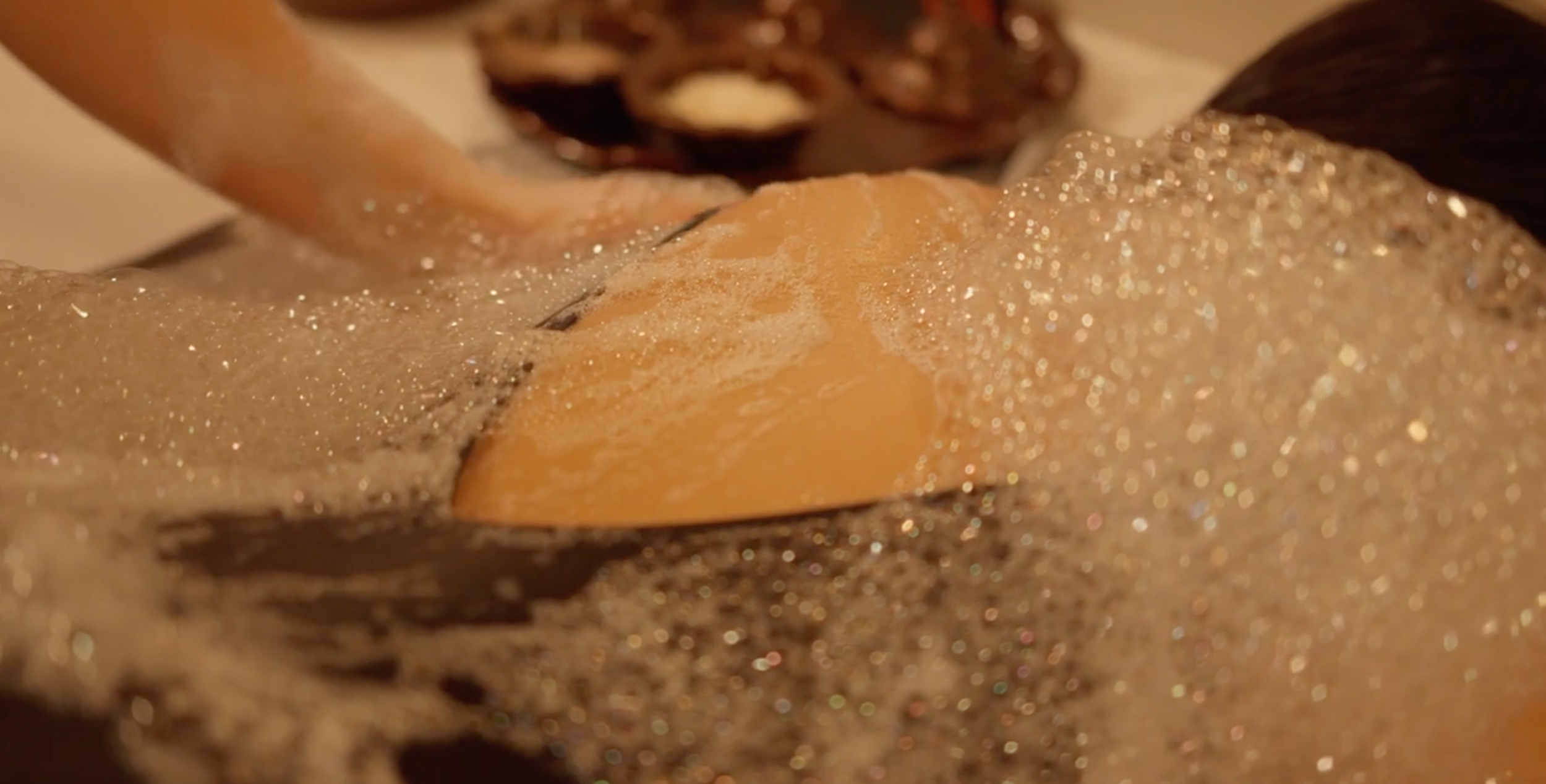
Turkish Hammam traditions are particularly known for their incredible foam bathing technique, those enormous clouds of soap bubbles you may have seen poured over the body.
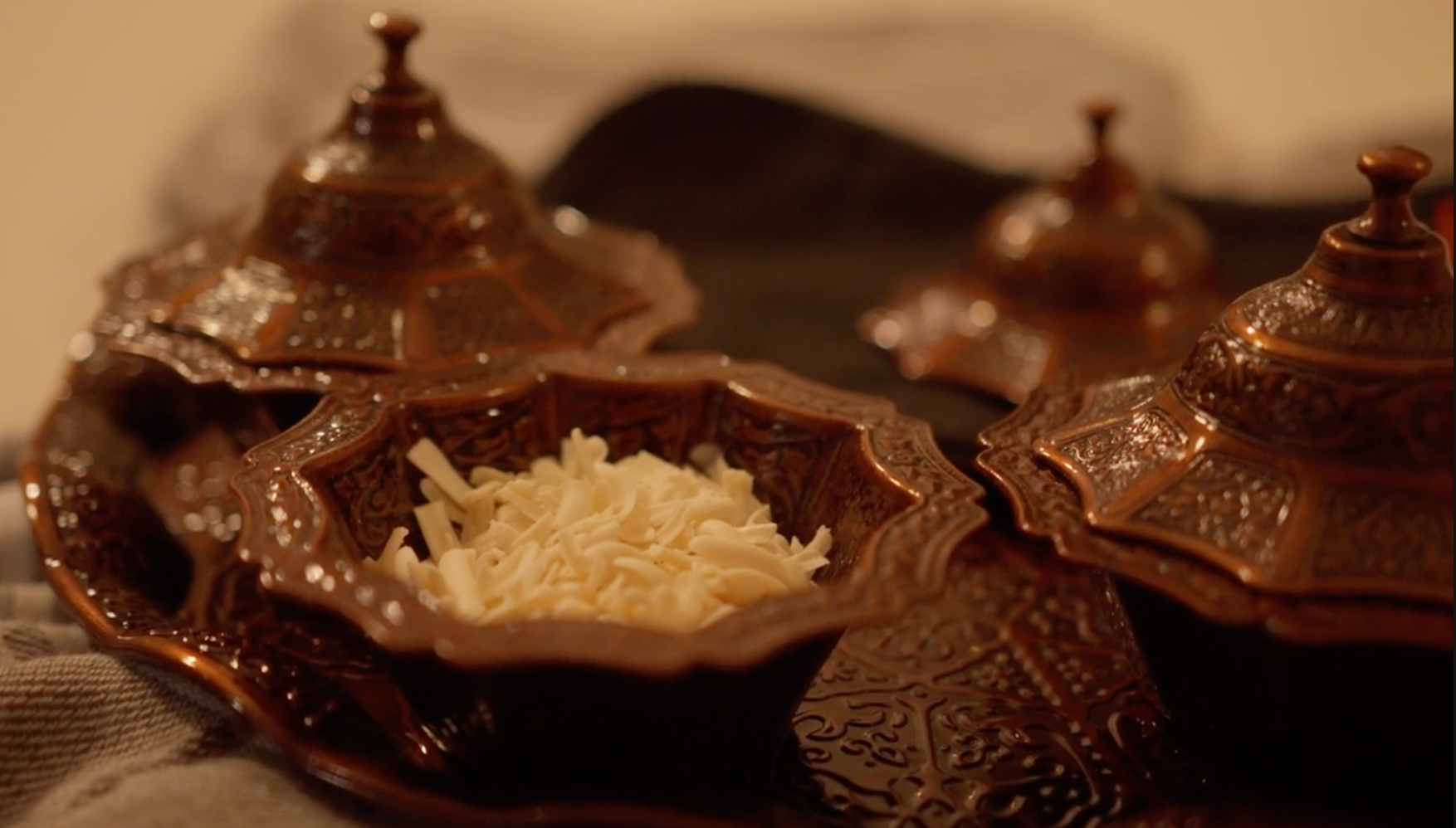
Moroccan bathing traditions also incorporate ingredients such as black soap and mineral-rich Ghassoul clay.
And this is where our own ritual began.
Our Ghassoul Ritual
When I created Cleopatra’s Rituals, I didn't want treatments to feel like something that simply happened to you for 45 minutes and then you went home.
I trained in this ritual myself, hands-on, the authentic way, and I'm a Certified Hammam Master. It mattered to me that this wasn't something we simply read about and recreated. I wanted to understand the technique the way it was traditionally practiced, the pacing, the elements, the reasoning behind each step, before bringing it into this space.
Every Ritual Curator at Cleopatra's Rituals was trained by me personally, directly, using those same traditional methods. Nothing here is outsourced, franchised, or improvised. When you lie down for this ritual, the hands working on you were taught by someone who learned it properly first.
I wanted ritual.
Our Ghassoul experience brings together elements I love from Turkish and Moroccan bathing traditions and reimagines them within our own space.
You begin with heat and steam before moving onto our heated marble table. From there, your Ritual Curator takes you through the bathing experience with water, cleansing, exfoliation and that beautiful Turkish-style foam.
And there is something about lying on warm marble while someone pours warm water and clouds of foam over you that is very difficult to describe until you've experienced it.
It is deeply simple.
Heat. Water. Touch. Clay. Rest.
But together, it becomes something completely different from a typical spa treatment.
Why Ghassoul Clay?
Ghassoul, also called Rhassoul, is a mineral clay traditionally sourced from Morocco and has been used in North African beauty and bathing rituals for centuries.
This ingredient was important to me because Cleopatra’s Rituals was never meant to be another spa filled with treatments that could exist anywhere.
I wanted the ingredients to have a story too.
Our approach is rooted in botanical, organic, biodynamic and thoughtfully sourced products wherever possible, and Ghassoul fits beautifully into that philosophy.
It leaves the skin feeling incredibly soft and cleansed without needing an aggressive body scrub.
Being Bathed Is Part of the Experience
This might actually be my favourite part of Hammam traditions.
We're very used to wellness meaning that we have to do something.
Drink the water. Take the supplements. Stretch. Meditate. Exercise. Book the appointment.
A Hammam asks something different of you.
For a little while, you don't have to do anything.
Someone else prepares the water. Someone else cleanses your skin. Someone else pours the foam. You simply lie on warm marble and receive.
There is something incredibly grounding about that kind of care, and it’s a feeling I wanted woven throughout Cleopatra’s Rituals.
Can You Experience a Hammam With Someone Else?
Absolutely, and historically, Hammams were communal spaces.
That's part of what makes this ritual so beautiful to experience with a partner or friend.
Many of our treatments at Cleopatra’s Rituals can be experienced side-by-side, because wellness doesn't always need to mean disappearing into a treatment room alone.
Sometimes ritual is solitude.
Sometimes it’s connection.
What Should You Expect for Your First Hammam?
If you've never experienced anything like this before, don't worry about knowing what to do.
That's our job.
Our Ritual Curators explain the experience beforehand and guide you through each part of the ritual. You’ll want to bring a swimsuit, and then allow yourself to be taken care of.
Come curious.
Leave very, very soft.
Our Ghassoul Ritual is available at Cleopatra’s Rituals in Kelowna, BC, and can also be paired with our Thermal Ritual for an even deeper bathing experience.